The Benchmarking Platform
(Sustainability Benchmarking Platform)
(Sustainability Benchmarking Platform)


[ product overview/ ]
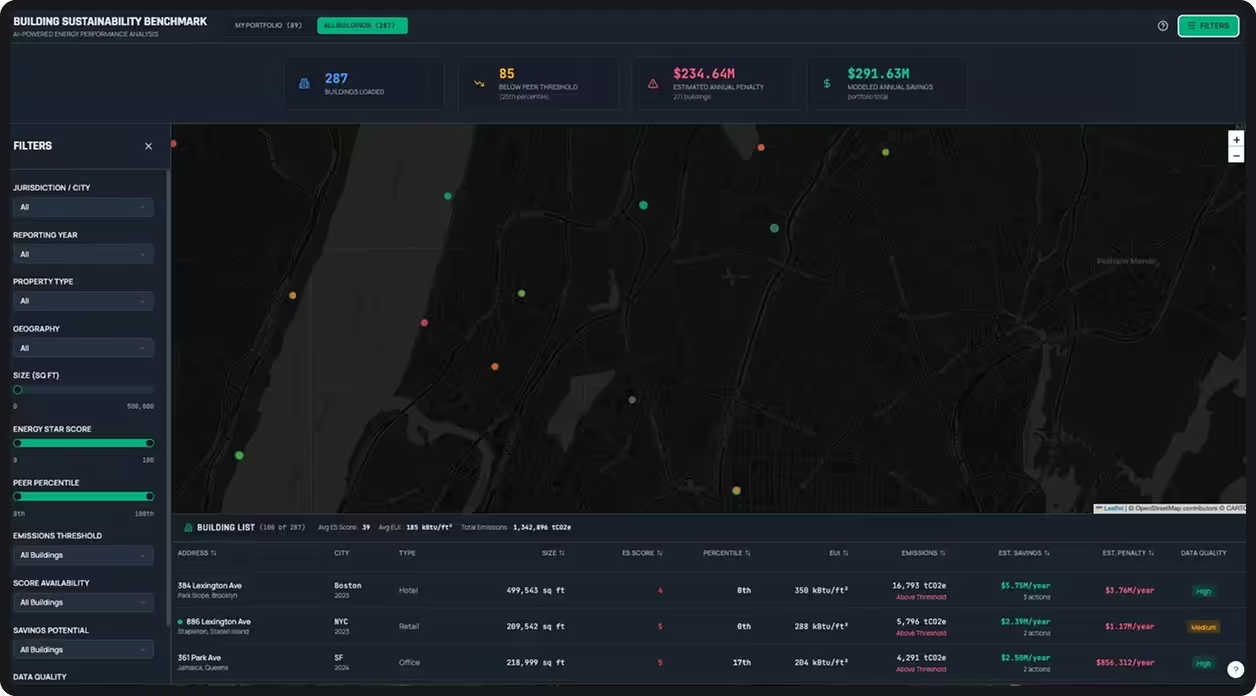
The organizer gave us NYC's Local Law 84 data and left each team to define the product and its users.
New York City requires its large commercial buildings to report energy use every year, and the worst performers face growing penalties. This dataset could serve several roles. We picked one for our proof of concept (PoC), the Building Performance Analyst, and shaped the app around this user persona.
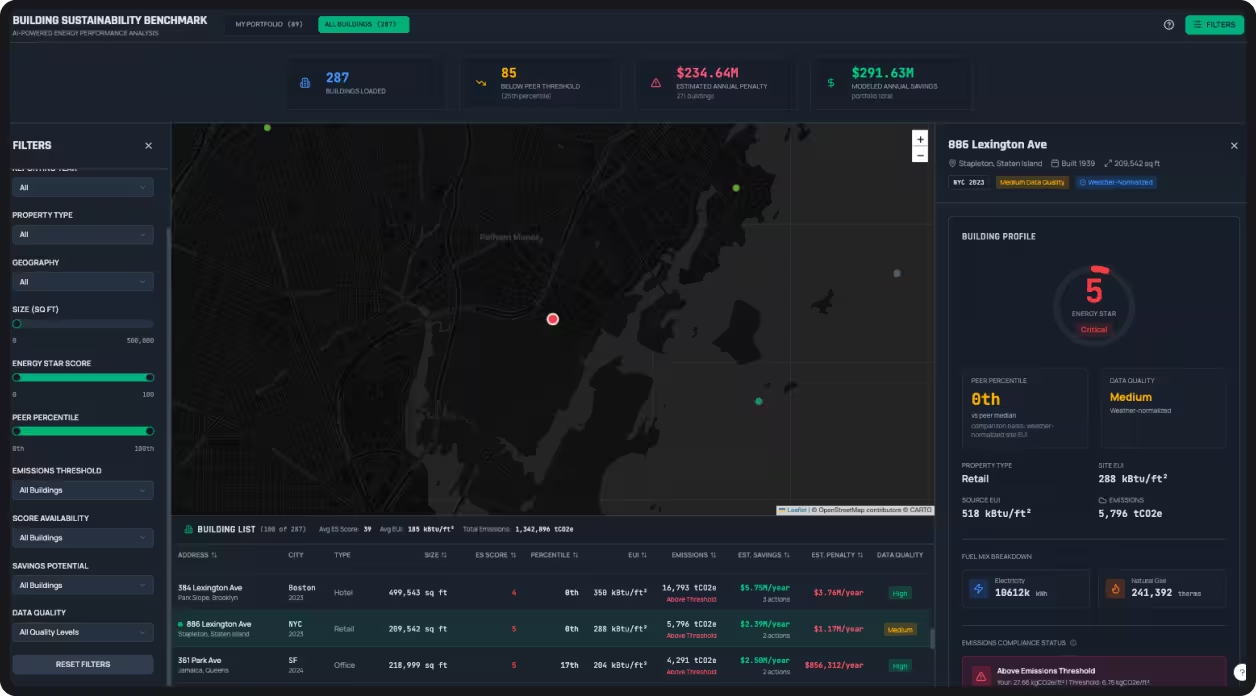
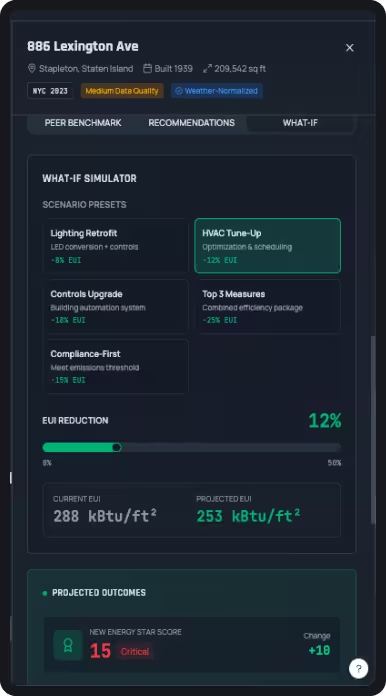
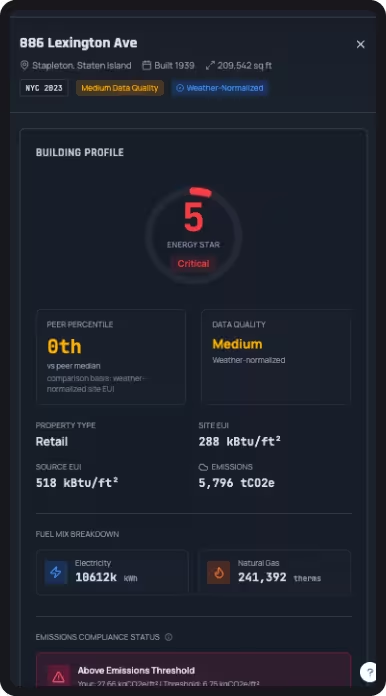
The app reads the city's public energy data and shows the analyst which buildings waste the most energy, then recommends a fix for each one with projected costs and payback periods. By hour 72 the PoC was ready, and it took first place.
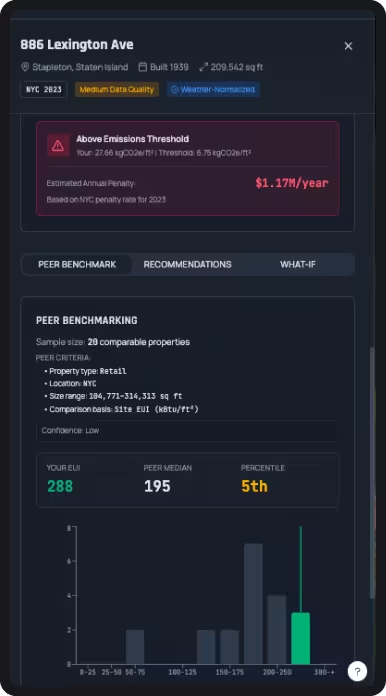
The team built a map-first platform for benchmarking building sustainability across 30,000 New York City buildings. A Building Performance Analyst can spot underperforming properties and compare them against relevant peers. The platform also flags LL97 penalty exposure, the fines NYC charges large buildings that exceed their carbon limits.
For each building, the platform returns a grounded retrofit recommendation: the projected energy savings, plus what the fix costs and how long it takes to pay back.
The PoC also included Stripe-based Pro and Enterprise subscription tiers, with AI recommendation limits enforced by the user's plan. Alongside the core analytical workflow, this showed a possible commercial model.
We won using the same approach we run in MEV's AI Innovation Lab. It’s our practice for taking an idea to working software on a set timeline and budget, run by senior engineers who reuse production patterns across projects.
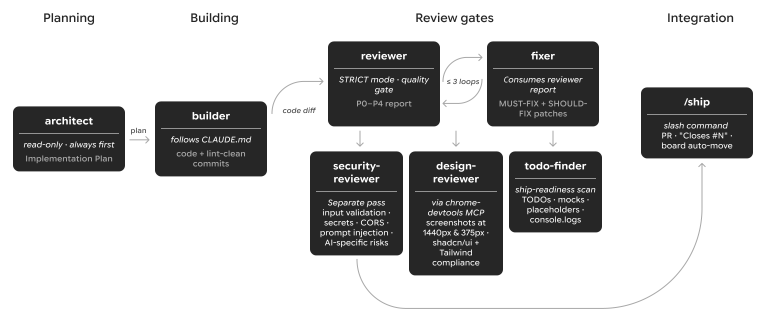
It ships that work through the MEV Innovation Lab Delivery System, a gated pipeline of single-job AI agents that pass work down the line: plan to code, code to review, review to fix, with an engineer sign-off at each end.
[ how we did it/ ]

[ portfolio/ ]
[ contact us/ ]
Thank You!
The ball's in our court now.
We'll get back to you within 24 hours.
By submitting, you agree to our Privacy Policy

Privacy is important to us, so you have the option of disabling certain types of storage that may not be necessary for the basic functioning of the website. Blocking categories may impact your experience on the website. More information


