Home
Portfolio
Open Study
Open Study
Open Study

How MEV Improved OpenStudy’s EdTech Platform, Built a Mobile App, and Added a Virtual Economy

≈4× Peak Throughput
≈4× Peak Throughput
More requests processed per minute at peak load.
2M+ Users
2M+ Users
A large global peer-learning community.
Monetization feature
Created a new revenue stream through a virtual economy.
How MEV Improved OpenStudy’s EdTech Platform, Built a Mobile App, and Added a Virtual Economy
Industry
EdTech / E-learning / Educational social network
Tech Stack
Scala / Play Framework / MongoDB
Project Duration
4 months

[ client & product overview/ ]

OpenStudy: A Global Peer-Learning Network
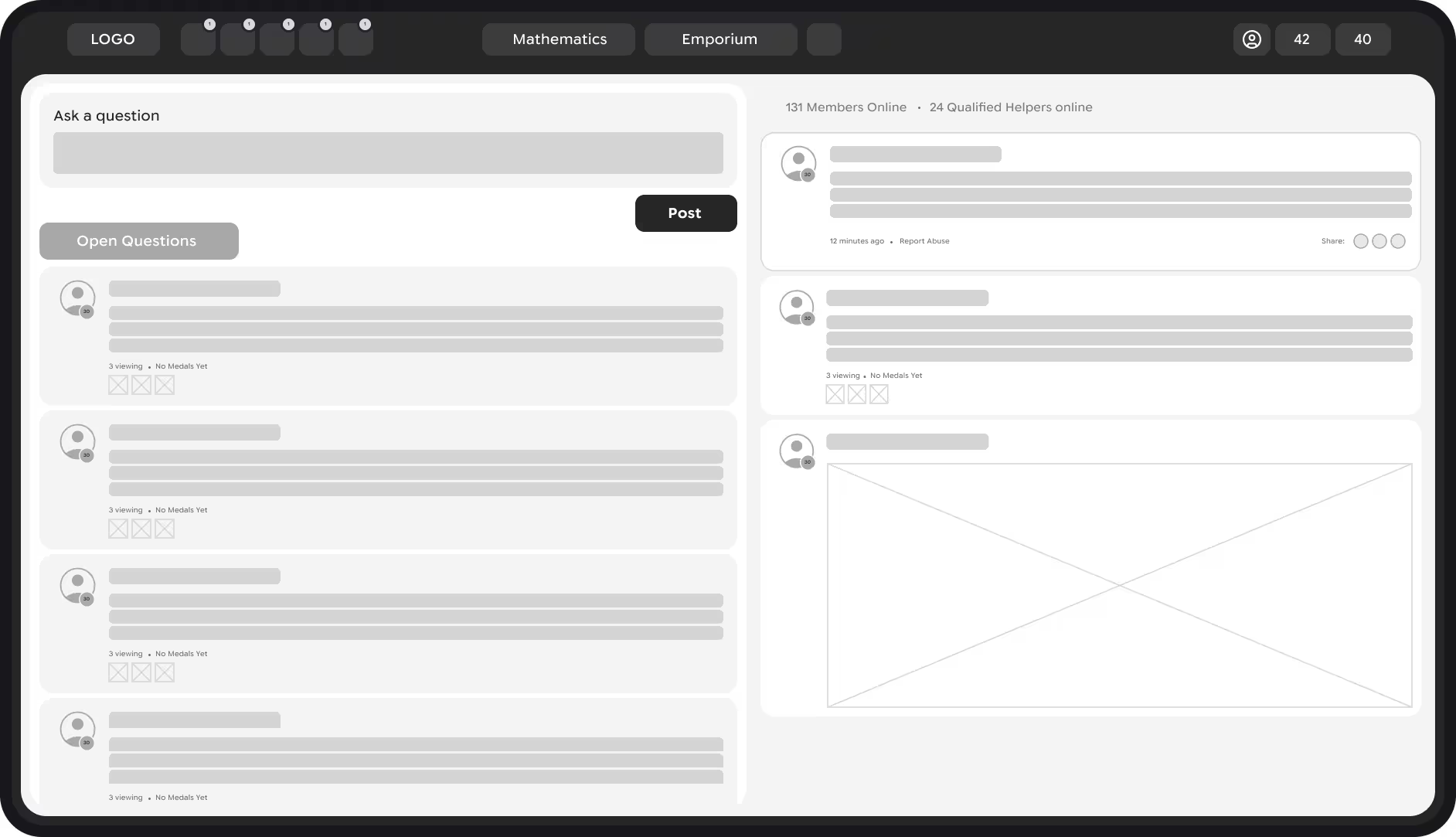
OpenStudy was an Atlanta-based educational social network built around real-time, peer-to-peer study support in a Q&A format. Middle and high school students could ask questions, help one another, and study subjects including algebra, biology, physics, mathematics, and world history. The next stage of product development required a more reliable platform, mobile access, and a monetization model that could reward active users without disrupting the experience the community already valued.
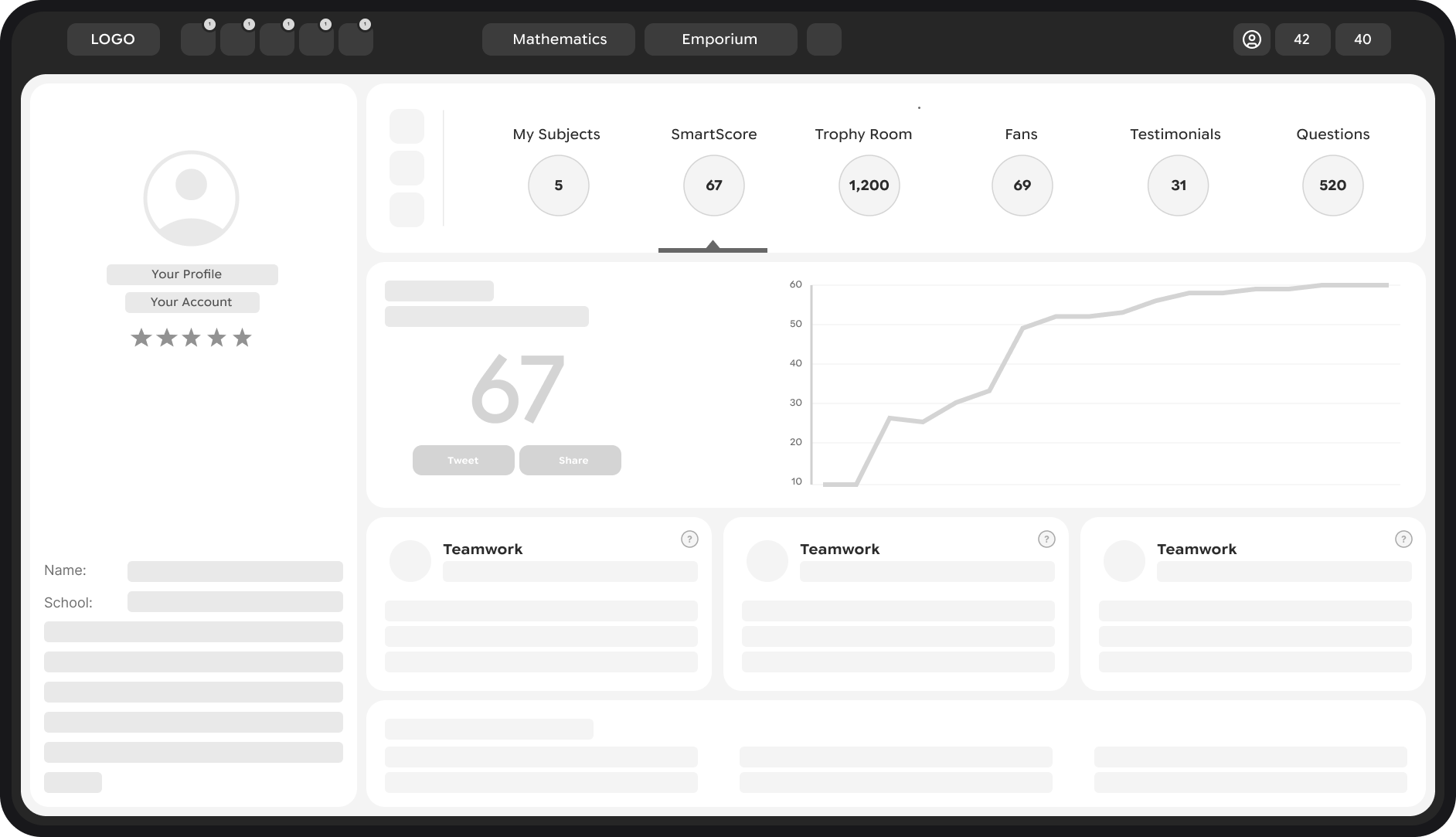
The broader product combined real-time interaction with game mechanics, analytics, and skills assessment. Its assessment engines could provide users with credentials for job and internship applications.
OpenStudy had more than 2 million users. By the time Brainly acquired the company, OpenStudy reported that its Q&A platform had helped 54 million learners.
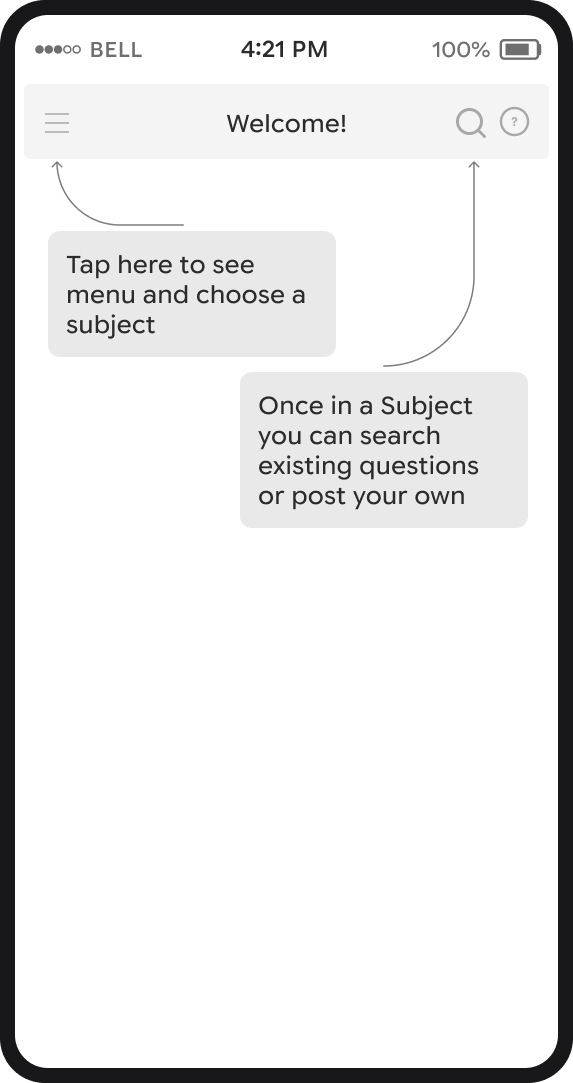
1 · Welcome / onboarding

2 · Ask a question
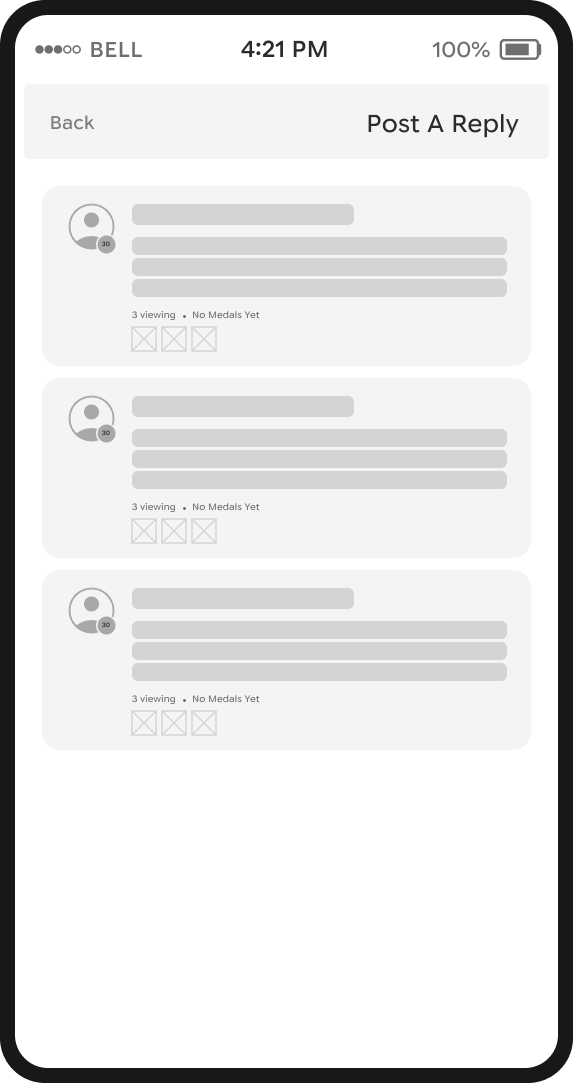
3 · Question thread / reply

Executive Summary

OpenStudy’s platform had become unstable under growing data volumes. The company needed to maintain and evolve the Scala backend, build a mobile product, and introduce monetization.
Over four months, a MEV team stabilized the platform and updated its infrastructure. MEV then designed and developed a native mobile app, aligned its interface and navigation with the existing web experience, and rolled out a virtual economy in stages to recognize and reward high-performing users.

The optimized platform handled approximately four times more requests per minute at peak load. OpenStudy expanded access through mobile, added a revenue stream, and increased engagement through faster performance and easier access.
As a result, OpenStudy gained:
  • A more stable platform capable of supporting higher peak load.
  • A native mobile experience aligned with the existing web product.
  • A staged virtual economy that introduced new revenue opportunities.
  • A stronger technical foundation for continued product growth.

[ what we did/ ]

Solution & Implementation

The work progressed from platform stabilization to product expansion and monetization. Each step preserved the existing OpenStudy experience while adding the capabilities needed for the next stage of growth.

Stabilized the Scala Backend

OpenStudy’s Scala and Play Framework backend could not reliably handle growing platform activity and data volumes. MEV resolved recurring performance and stability issues and updated the infrastructure supporting the application and MongoDB data layer.
  • Backend stabilization: Fixed reliability and performance problems in the existing Scala and Play Framework application.
  • Infrastructure updates: Improved the infrastructure supporting the application and its growing workload.
  • MongoDB updates: Updated the data layer to support more reliable platform operation.

Designed and Built a Native Mobile App

OpenStudy needed a mobile app that extended its peer-learning platform beyond the web experience. MEV designed and developed a native application connected to the existing platform.
  • Native mobile app development: MEV built a mobile application integrated with OpenStudy’s existing platform and user accounts.
  • Mobile product and UX adaptation: The team adapted the menu structure, headers, navigation, and interface while preserving the established product experience and brand identity.

Introduced a Virtual Economy Through a Staged Rollout

OpenStudy wanted to reward high-performing users and create a new revenue stream without disrupting the existing community experience.
  • Virtual economy development: MEV built monetization features that recognized and rewarded high-performing users.
  • Staged rollout: The new features were introduced gradually rather than through one large platform change.
  • Existing-product continuity: Core elements of the platform remained consistent so users could adopt the new model with less disruption.

[ results/ ]

01:

Stabilized the backend and restored platform reliability

Improved backend performance and resolved recurring stability issues.
02:

Mobile access for the OpenStudy community

The native app made the platform easier to access and use more frequently.
03:

New revenue opportunities

The virtual economy added a monetization layer while preserving the core user experience.
04:

Acquired by Brainly

OpenStudy was successfully acquired by Brainly.

[ portfolio/ ]

Related Case Studies

Preferences

Privacy is important to us, so you have the option of disabling certain types of storage that may not be necessary for the basic functioning of the website. Blocking categories may impact your experience on the website. More information

Accept all cookies