

[ client & product overview/ ]
LumiGrow revolutionized horticulture with the first smart LED grow lights in North America.
Founded in 2007 by scientists, the company developed an algorithm that calculates the precise amount of light plants need based on intensity, latitude, time of year, and day length. LumiGrow’s hardware and software systems make it possible to influence plant biology through a controllable lighting spectrum.
[ challenges/ ]
Need for a Robust SaaS Solution
Network Overload in Large Deployments
Scalability as a Growth Bottleneck
[ how we did it/ ]
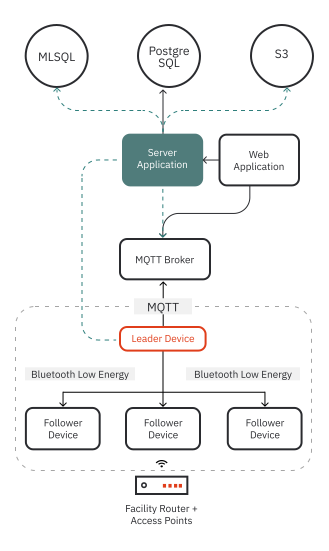
Re-architected device communications into a Bluetooth Low Energy (BLE) mesh where lamps automatically form clusters with master nodes relaying to Wi-Fi access points. The system was stress-tested under high humidity and metal interference conditions typical for industrial greenhouses, ensuring reliable BLE mesh communication and data recovery after network drops.
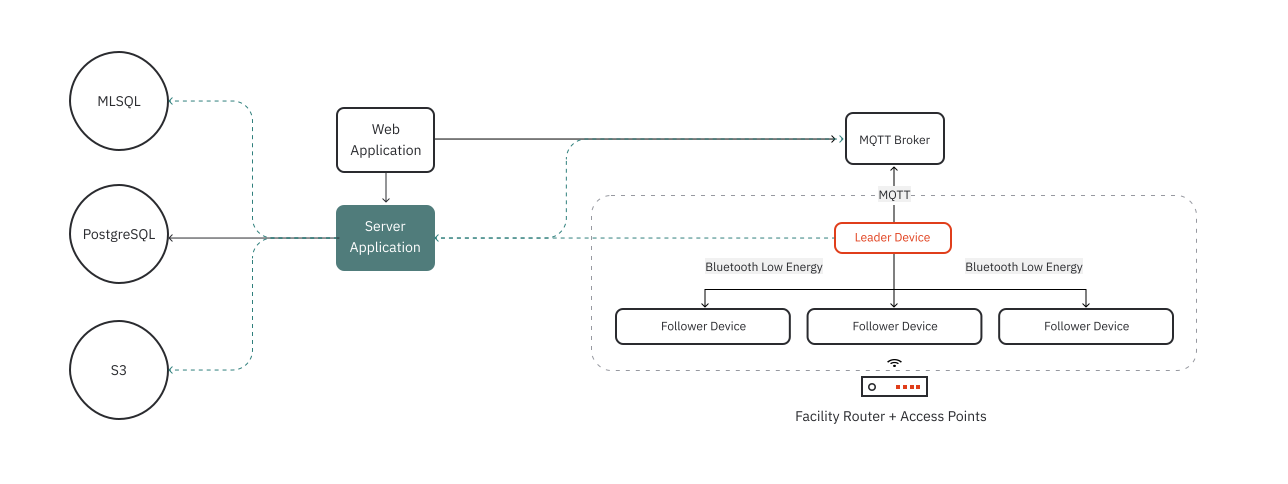
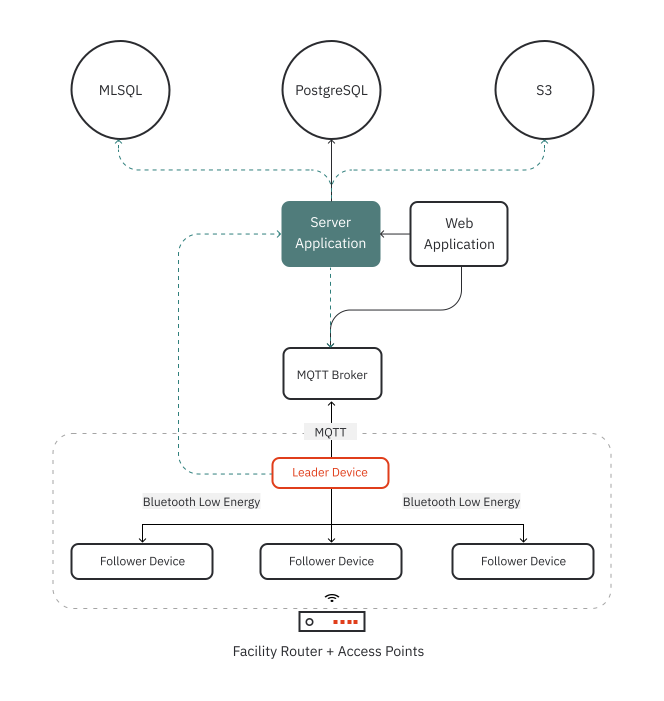
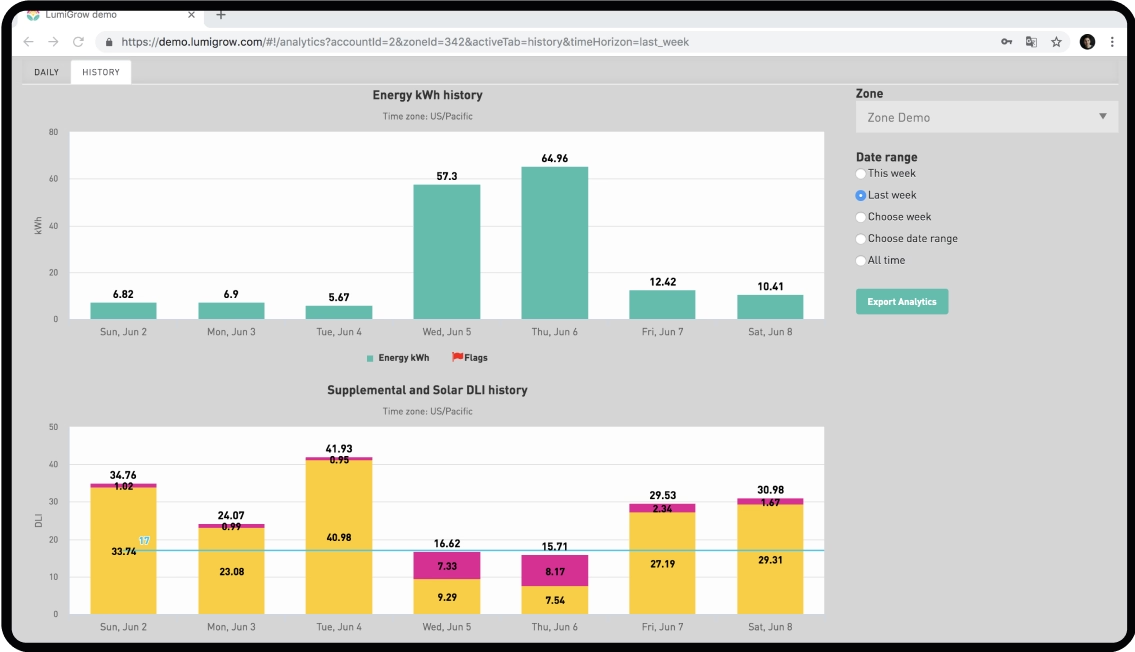
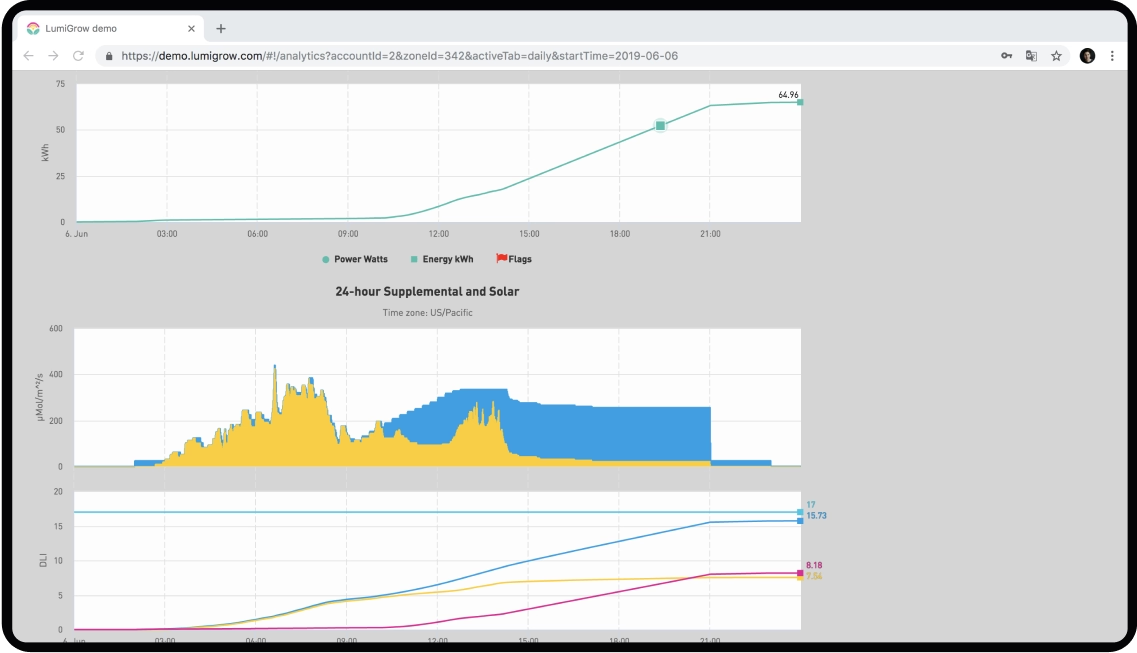
Integrated LumiGrow’s proprietary algorithm with light sensors to adjust lamp output by crop type, sunlight, and growth stage. The DLI model controls light intensity, spectrum, and photoperiod.
We implemented a modular, event-driven IoT architecture that separated device communication, data aggregation, and user interface layers. This decoupling allowed rapid scaling from pilot installations to full greenhouse networks without refactoring core systems.
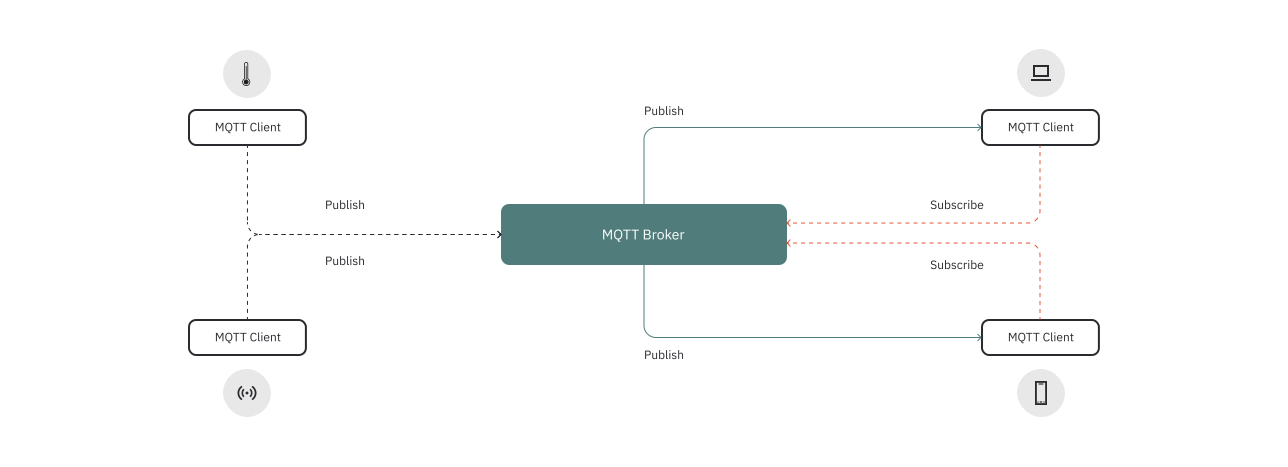
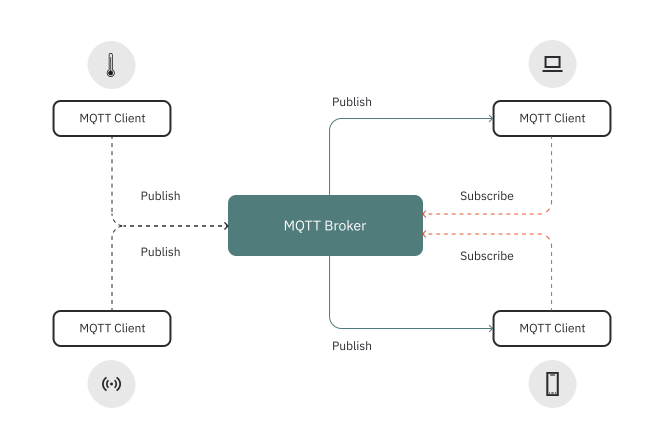
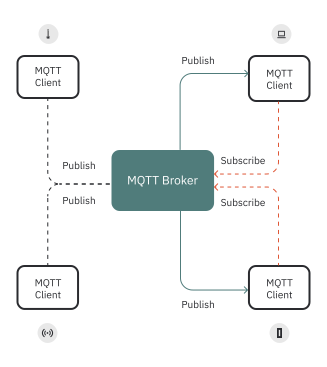
Migrated workloads to AWS with CI/CD pipelines, backups, monitoring, and detailed logging for greater scalability and fault recovery. The AWS-based pipeline was designed for continuous data streaming via MQTT and Kinesis, enabling real-time control decisions and analytics across thousands of devices.
Developed an experimental module integrating with Sporecam (now ScannedTechnology) to identify early signs of plant disease using camera data.
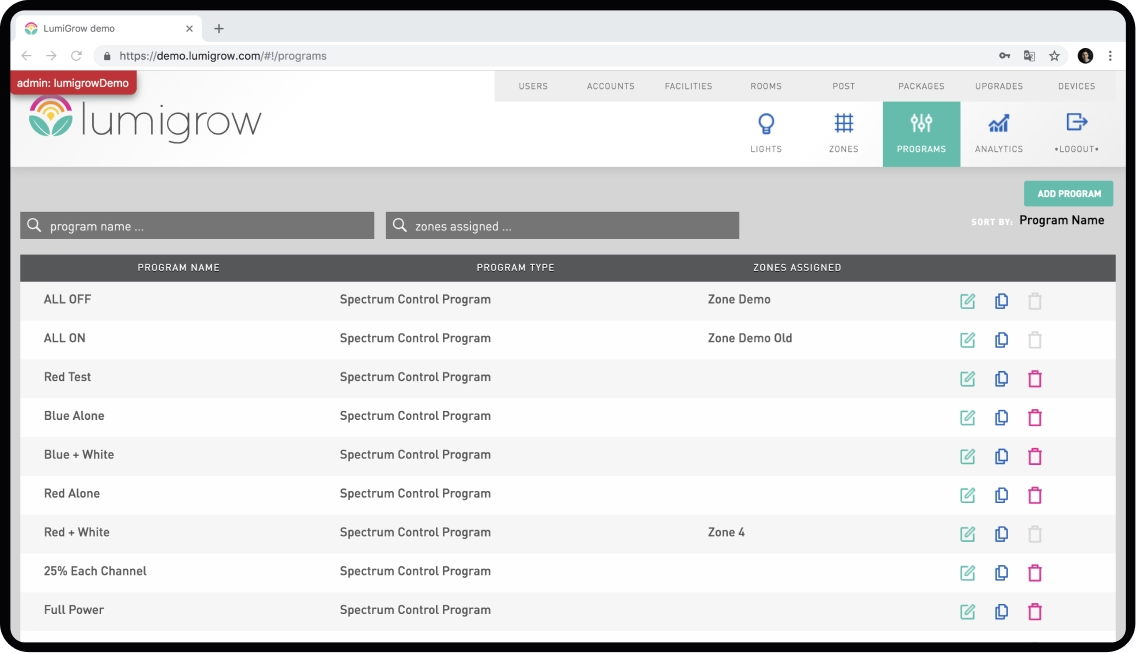
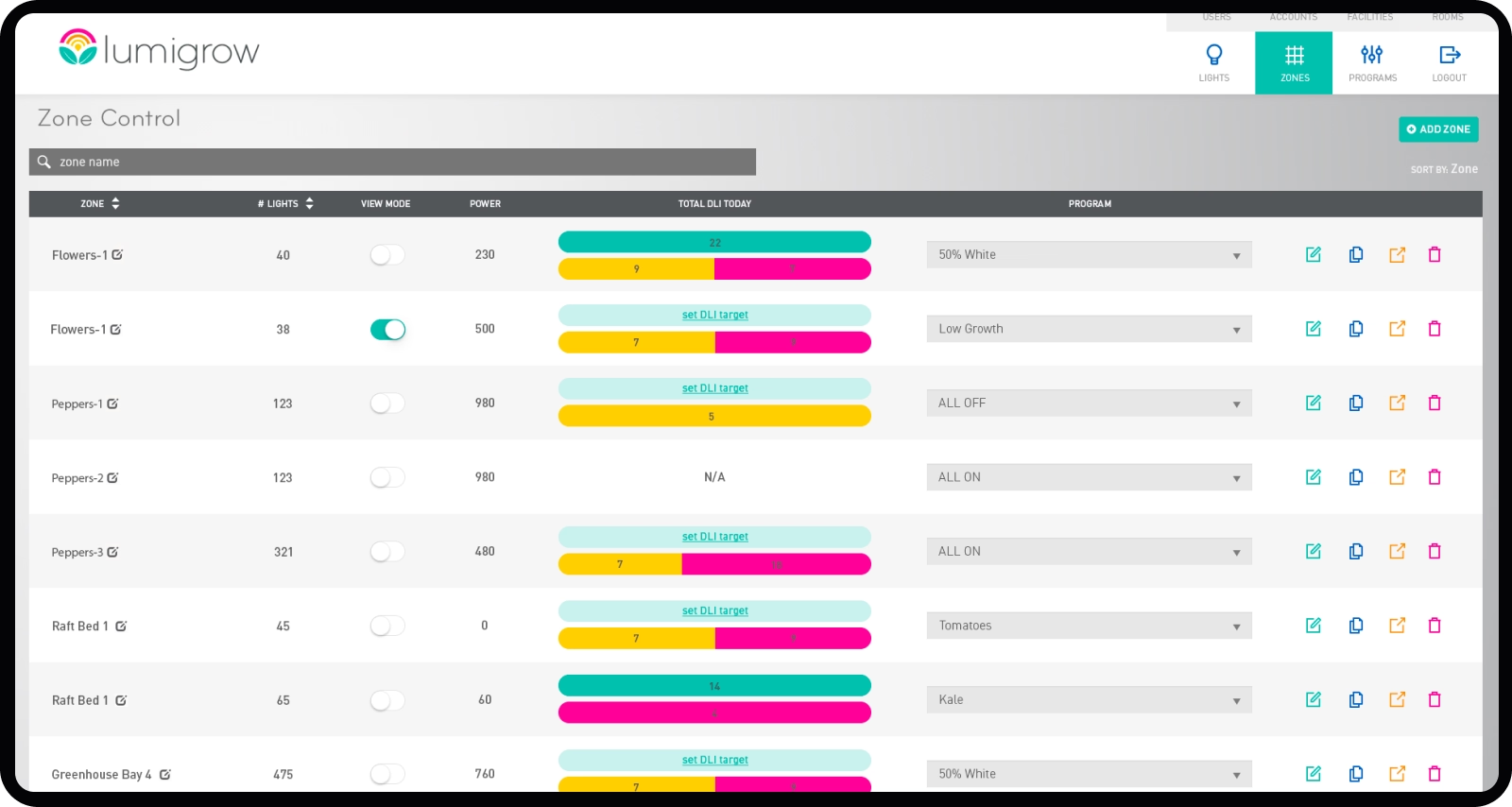
Enhanced the control interface for more intuitive, efficient grower workflows.
Consolidated proprietary algorithms into a defensible IP base, creating trade secrets for sustained competitive advantage.
[ portfolio/ ]

We’ll get back to you right after reading your message. Thank You!

Privacy is important to us, so you have the option of disabling certain types of storage that may not be necessary for the basic functioning of the website. Blocking categories may impact your experience on the website. More information


